



Introduction
In today’s digital and highly regulated world, identification systems play a crucial role in everyday life. If you’ve come across the term “türk idla,” you’re likely trying to understand how identity systems in Turkey work. While the phrase itself isn’t widely used in official terminology, it is often associated with the Turkish national identification system.
Turkey has developed a modern and efficient identity system that supports everything from government services to banking and healthcare. This article explains what the Turkish ID system is, how it works, and why it matters.
What Is the Turkish ID System?
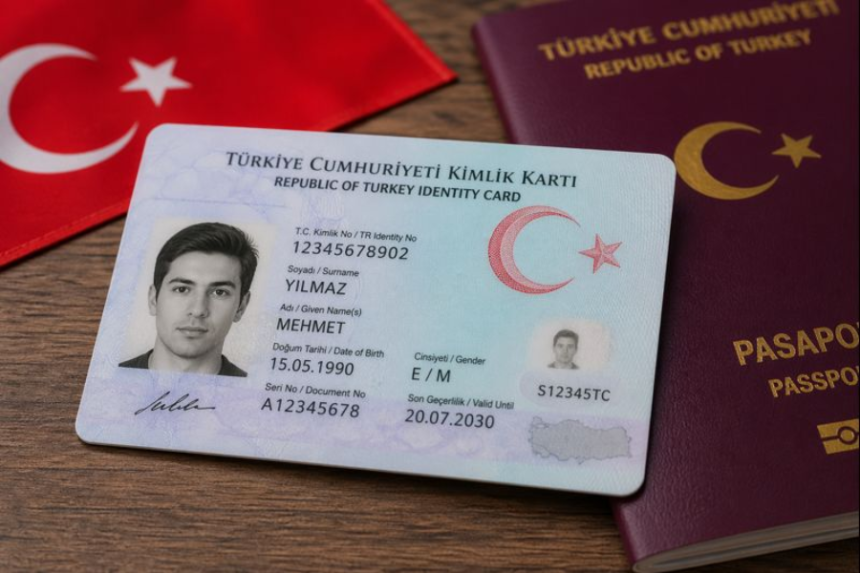
The Turkish ID system refers to the national identification framework used in Turkey to uniquely identify every citizen. It is centered around the Turkish Identification Number (T.C. Kimlik No), a unique 11-digit number assigned to each individual.
This system is managed by the government and is essential for accessing both public and private services.
Key Features:
- Unique 11-digit identification number
- Assigned at birth or citizenship registration
- Linked to personal records in government databases
- Used across multiple institutions
What Does “Türk IDLA” Mean?
The keyword “türk idla” appears to be an informal or misspelled variation related to Turkish ID systems. In most cases, users searching for this term are looking for:
- Turkish ID card information
- Turkish identity number details
- Registration or verification processes
So, while “türk idla” isn’t an official term, it is often associated with Turkey’s identity infrastructure.
Structure of the Turkish ID Number
The Turkish Identification Number (T.C. Kimlik No) is not random—it follows a specific structure and validation system.
Important Characteristics:
- Always 11 digits
- Cannot start with zero
- Includes checksum digits for verification
Example Format:
12345678901
This number is permanently assigned and does not change throughout a person’s life.
Turkish ID Card (Kimlik Kartı)
The physical representation of the ID system is the Turkish ID card, also known as “Kimlik Kartı.”
Features of the New ID Card:
- Smart chip technology
- Biometric data (fingerprints)
- Digital signature capability
- Enhanced security features
Information Included:
- Full name
- Date of birth
- Gender
- Nationality
- ID number
How the Turkish ID System Works
The system is centralized and digitally integrated, allowing seamless verification across different sectors.
Step-by-Step Process:
- A citizen is registered at birth
- A unique ID number is generated
- Personal data is stored in a national database
- The ID is used for verification in services
Uses of the Turkish ID System
The Turkish ID system is deeply integrated into everyday life. It is required for:
1. Government Services
- Applying for passports
- Voting in elections
- Accessing public records
2. Healthcare
- Hospital registration
- Medical history tracking
- Insurance verification
3. Banking and Finance
- Opening bank accounts
- Financial transactions
- Credit checks
4. Education
- School enrollment
- Exam registrations
- Academic records
Benefits of the Turkish ID System
The system offers several advantages for both citizens and the government.
Key Benefits:
- Efficiency: Faster access to services
- Security: Reduced identity fraud
- Integration: Connected across multiple sectors
- Digital Access: Enables e-government services
Real-World Example
Imagine moving to Turkey as a resident. Once registered, you receive an identification number. This single number allows you to:
- Open a bank account
- Get a SIM card
- Visit a hospital
- Sign legal documents
This shows how essential the system is in daily life.
Common Misunderstandings
“Türk IDLA is an official term”
Not exactly. It’s more of a search keyword than a formal name.
“ID numbers can be changed”
No, they are permanent.
“Only citizens have ID numbers”
Foreign residents can also receive identification numbers.
Security and Privacy Considerations
While the system is efficient, data protection is also important.
Measures in Place:
- Encrypted databases
- Biometric verification
- Legal data protection frameworks
However, users should still:
- Avoid sharing ID numbers publicly
- Use secure platforms for transactions
Frequently Asked Questions (FAQs)
1. What is “türk idla”?
It is likely an informal or incorrect spelling related to the Turkish ID system.
2. What is a Turkish ID number?
It is an 11-digit unique number assigned to every citizen and resident.
3. Can foreigners get a Turkish ID?
Yes, foreign residents are assigned a similar identification number.
4. Is the Turkish ID card mandatory?
Yes, it is required for most official and legal activities.
5. How secure is the system?
It uses advanced security features like biometrics and encryption.
Conclusion
Although “türk idla” is not an official term, it commonly refers to Turkey’s modern identification system. The Turkish ID system is a well-structured and highly integrated framework that plays a vital role in everyday life.
From accessing healthcare to managing finances, the system ensures efficiency, security, and convenience. Understanding how it works can help both residents and newcomers navigate life in Turkey more easily.