


In recent months, Verizon—one of the biggest telecom companies in the United States—has faced serious attention over claims related to customer data use. Many users have raised concerns that their personal information, including browsing activity and location data, may have been collected and used without clear permission.
In this article, we’ll break down what the Verizon customer data lawsuit is about, what allegations are being made, who may be affected, and what it could mean for everyday users.
Why Verizon Is Facing a Data Privacy Lawsuit
What triggered the case?
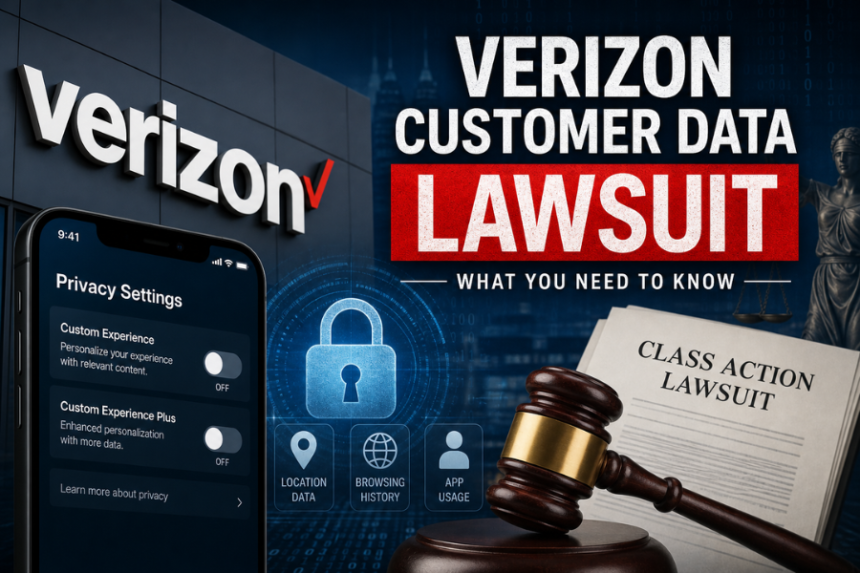
The issue started when customers learned about Verizon’s Custom Experience and Custom Experience Plus programs. These features were promoted as ways to improve personalization and show more relevant ads.
However, users later claimed these tools were collecting more data than expected, including browsing behavior, app activity, and even location tracking—sometimes without clear or obvious consent.
Who is involved in the lawsuit?
The case was filed as a class-action lawsuit, meaning it represents a large group of Verizon customers across different states. Several law firms joined efforts, arguing that Verizon may have violated privacy and consumer protection laws.
When did it begin?
Initial complaints surfaced in late 2023, and by early 2024, the legal action expanded as more states and users became involved.
Main Accusations Against Verizon
Customers involved in the case have raised several key concerns:
- Tracking and storing user activity without clear consent
- Sharing or selling personal data to third parties
- Making opt-out settings difficult to find or understand
Quick Summary:
The lawsuit claims Verizon may have collected and monetized customer browsing and location data through its Custom Experience program without proper user permission.
What Is the “Custom Experience” Program?
Purpose of the program
Verizon says the Custom Experience program is designed to improve user experience by offering personalized ads and recommendations. In simple terms, it tries to show content based on how customers use their devices.
Two versions of the program
There are two main levels:
- Custom Experience: Collects general usage insights, such as product preferences
- Custom Experience Plus: Collects more detailed data like browsing history, app usage, and location information
What data may be collected?
According to the claims, the program may track:
- Websites visited
- Apps used and time spent
- Device and location data
- Interaction with ads and services
Many users also say they were automatically included in the program without realizing it.
Did Verizon Have Proper Consent?
This is one of the most important questions in the case.
Verizon argues that users agreed to data collection through its terms of service or app usage. However, critics say the consent was not clear or direct.
Instead, plaintiffs argue that:
- Users were automatically enrolled
- Opt-out options were not easy to find
- Important details were hidden in long privacy policies
Legal experts often say real consent should be clear, informed, and optional, not buried in fine print.
Possible Privacy Law Violations
The lawsuit suggests Verizon may have violated several privacy-related laws, including:
- California Consumer Privacy Act (CCPA)
- FTC data protection guidelines
- Telecommunications privacy rules (47 U.S.C.)
- Various state-level privacy laws
If violations are proven, Verizon could face financial penalties and be required to change how it handles customer data.
Timeline of the Case
| Date | Event |
| Late 2023 | First customer complaints appear |
| Jan 2024 | Class-action lawsuit officially filed |
| Mar 2024 | Multi-state involvement approved |
| Jun 2024 | Verizon issues privacy updates and denies wrongdoing |
| Ongoing | Investigations and hearings continue |
Verizon’s Response
Verizon has denied the allegations. The company says:
- It does not sell customer data
- Participation in Custom Experience is optional
- Privacy tools have been improved for users
However, critics argue these changes came after public pressure rather than being proactive.
Who May Be Eligible for the Lawsuit?
You may be included if you were a Verizon customer (wireless or Fios) during or after 2021.
How to check:
- Log in to your Verizon account
- Open Privacy Settings
- Check Custom Experience / Custom Experience Plus
- Visit the official class-action website for updates
If the case results in a settlement, eligible users may receive compensation.
Signs Your Data May Have Been Collected
Some possible indicators include:
- Receiving targeted Verizon ads or emails
- Being automatically enrolled in tracking programs
- Changes in privacy settings you didn’t make
Quick check guide
| Step | Action |
| 1 | Open My Verizon App |
| 2 | Go to Account → Privacy Settings |
| 3 | Check Custom Experience settings |
| 4 | Turn both options off if needed |
Possible Outcomes of the Lawsuit
If the case succeeds, outcomes may include:
- Financial compensation for affected users
- Stronger privacy rules for telecom companies
- Clearer consent requirements for data collection
Similar privacy cases in the past have resulted in large settlements for consumers, so this case could have similar impact.
How to Protect Your Data Right Now
If you’re a Verizon user, here are a few simple steps you can take:
- Turn off Custom Experience and Custom Experience Plus
- Use a VPN for safer browsing
- Regularly review app permissions
- Avoid using unsecured public Wi-Fi for sensitive activity
How to disable tracking
- Open My Verizon App
- Go to Account → Privacy Settings
- Disable both Custom Experience options
Why This Case Matters for the Telecom Industry
This lawsuit is not just about Verizon—it reflects a bigger issue in the tech and telecom industry.
People are becoming more aware of how their data is collected and used. If this case moves forward strongly, it could lead to:
- Stricter privacy laws
- Better transparency from companies
- More control for users over personal data
FAQs
What is the Verizon lawsuit about?
It involves claims that Verizon collected and used customer data without clear consent.
Why are users upset?
Many believe their browsing and location data were tracked and used for advertising purposes without permission.
Can I opt out?
Yes, you can disable tracking through the My Verizon app.
Do I need to file a case individually?
No, most users join through a class-action lawsuit.
Final Thoughts
The Verizon customer data lawsuit highlights an important reality of today’s digital world—our personal data has real value, and companies are expected to handle it responsibly.
Whether or not Verizon is found guilty, the case is already pushing a larger conversation about privacy, consent, and user control. For consumers, it’s a reminder to stay aware of how much data we share—and with whom.