


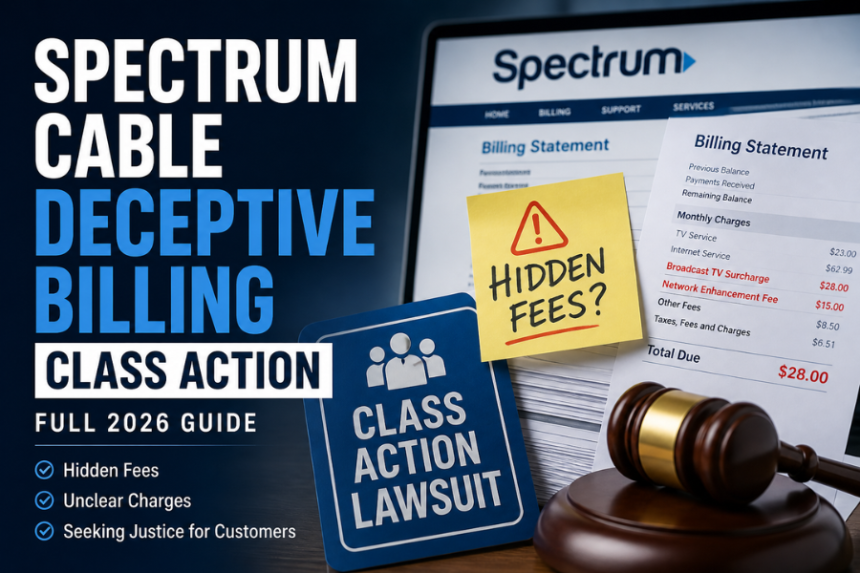
The ongoing discussion around the Spectrum cable deceptive billing class action has caught the attention of customers across the United States. Many users have raised concerns about hidden charges, unexpected price increases, and unclear fees on their monthly bills. These issues have now led to legal action against Spectrum.
In this guide, we’ll walk you through what the lawsuit is about, which fees are being questioned, who may qualify, and how you can take part. We’ll also share practical tips to help you better understand your rights as a consumer.
What Is the Spectrum Cable Deceptive Billing Controversy?
Spectrum, owned by Charter Communications, offers cable TV, internet, and phone services to millions of customers. While the company is widely used, many subscribers have reported problems with how their bills are presented.
Common Customer Complaints
Here are some of the most frequent concerns raised:
- Hidden fees that are not clearly explained
- Sudden price increases after promotional deals end
- Confusing charges like Broadcast TV Surcharge and Network Infrastructure fees
These billing practices have left many customers feeling frustrated and financially burdened, raising concerns about transparency.
Spectrum Cable Deceptive Billing Class Action Lawsuit
What the Lawsuit Claims
The class action lawsuit argues that Spectrum may have:
- Misrepresented certain fees, including broadcast and infrastructure charges
- Presented some fees as government-required when they may not be
- Violated consumer protection laws
- Charged customers unfairly or without proper disclosure
Key Issues Highlighted
The case focuses on several important issues:
- Hidden or unclear surcharges
- Charges for services or equipment customers didn’t request
- Automatic price increases after promotions
- Lack of clear and simple billing statements
Legal Grounds
The lawsuit is based on several legal principles, including:
- Unfair or deceptive business practices
- Misleading advertising
- Breach of contract
- Unjust enrichment (profiting from unclear or undisclosed fees)
Real Example from the Case
One notable case comes from Kentucky, where a customer challenged a $28 Broadcast TV surcharge. This complaint led to more than 4,000 subscribers joining the case in Louisville, showing how widespread the issue may be.
Fees at the Center of the Lawsuit
Several specific charges are being questioned:
- Broadcast TV Surcharge – Around $28 per month, often presented in a confusing way
- Network/Infrastructure Fees – Vaguely described with little explanation
- Equipment and Other Charges – Sometimes added without clear details
- Promotional Pricing Changes – Prices increase automatically after the initial offer ends
How Customers Are Affected
Financial Impact
Even a single fee can add up over time:
- $28 per month = $336 per year
- Over several years, this can reach a significant amount
Emotional Impact
Beyond money, customers often report:
- Confusion about their bills
- Frustration with unclear charges
- Loss of trust in the provider
Regional Scope
While the current case started in Kentucky, it may expand nationwide if similar complaints are recognized elsewhere.
Spectrum’s Response
Spectrum has responded to the allegations by stating:
- It has not engaged in any wrongdoing
- Its pricing practices follow industry standards
- Fees are disclosed in customer agreements and billing statements
- Some charges are tied to legitimate costs like retransmission fees
The company also points out that arbitration clauses in contracts may limit some customers from joining class actions.
Current Status of the Lawsuit
The case is still ongoing. Possible outcomes may include:
- Refunds or credits for affected customers
- Changes to how billing is presented
- Expansion of the case to other regions
How Class Action Lawsuits Work
If you’re new to class actions, here’s a simple breakdown:
- Definition: A lawsuit filed on behalf of a group of people with similar complaints
- Shared Costs: Legal expenses are divided among participants
- Court Approval: The group must be officially recognized by the court
- Opt-Out Option: You can choose not to participate if you prefer to file your own claim
These cases often lead to broader changes in industry practices.
Who Can Join the Class Action?
Eligibility depends on a few factors:
- Location: Currently focused on Kentucky, but may expand
- Time Period: You must have been billed during the relevant timeframe
- Type of Charges: Must include disputed fees like broadcast or network charges
- Former Customers: In some cases, past subscribers may also qualify
How to Join the Spectrum Class Action
Step-by-Step Guide
- Visit the official class action website
- Fill out the claim form
- Submit supporting documents (billing statements, account details)
- Double-check your information before submitting
- Make sure you meet all deadlines
Important: Always use official sources to avoid scams.
Class Action vs Individual Claim
- Class Action: Easier, lower effort, shared legal support
- Individual Case: More control, but requires more time and resources
Settlement and Compensation
If the case is successful, compensation may include:
- Refunds for overcharged fees
- Account credits
- Improved billing policies
The final amount depends on factors like how much you paid, how many people join, and the court’s decision.
Regulatory Oversight and Industry Impact
Government bodies like the FCC and state agencies monitor these issues, but gaps in regulations sometimes allow unclear pricing practices.
Cases like this can:
- Push companies toward clearer billing
- Set new standards for transparency
- Influence how the entire industry operates
Tips to Protect Yourself as a Consumer
To avoid similar issues, consider these practical tips:
- Read service agreements carefully before signing
- Keep track of promotional pricing and when it ends
- Save copies or screenshots of your bills
- Question any charges you don’t understand
- Stay updated on official legal notices and deadlines
Similar Cases in the Industry
Spectrum isn’t the only provider facing these concerns. Companies like Comcast and AT&T have also dealt with similar complaints.
A common issue across the industry is the gap between advertised prices and actual monthly bills. This highlights the need for clearer communication and honest pricing.
FAQs
What is the lawsuit about?
It focuses on hidden fees, unclear charges, and misleading billing practices.
Is Spectrum admitting fault?
No, the company denies the allegations and says its practices are standard.
How much compensation can I receive?
It depends on your billing history and the outcome of the case.
Who can join?
Customers billed during the specified period, mainly in Kentucky for now.
Do I need a lawyer?
No, class action cases already include legal representation.
How do I submit a claim?
Through the official website, along with your billing documents.
Is it worth joining?
For most people, yes—it’s a simpler and lower-cost way to seek compensation.
Conclusion
The Spectrum cable deceptive billing class action highlights a bigger issue around transparency in billing and customer trust. While the case is still ongoing, it serves as a reminder for consumers to stay informed and review their bills carefully.
If you believe you’ve been affected, keep an eye on official updates, check your eligibility, and consider joining the class action. Your participation could not only help you recover costs but also push for fairer billing practices across the industry.